
Turnkey Broker Platform: Ready-Made Business Solution
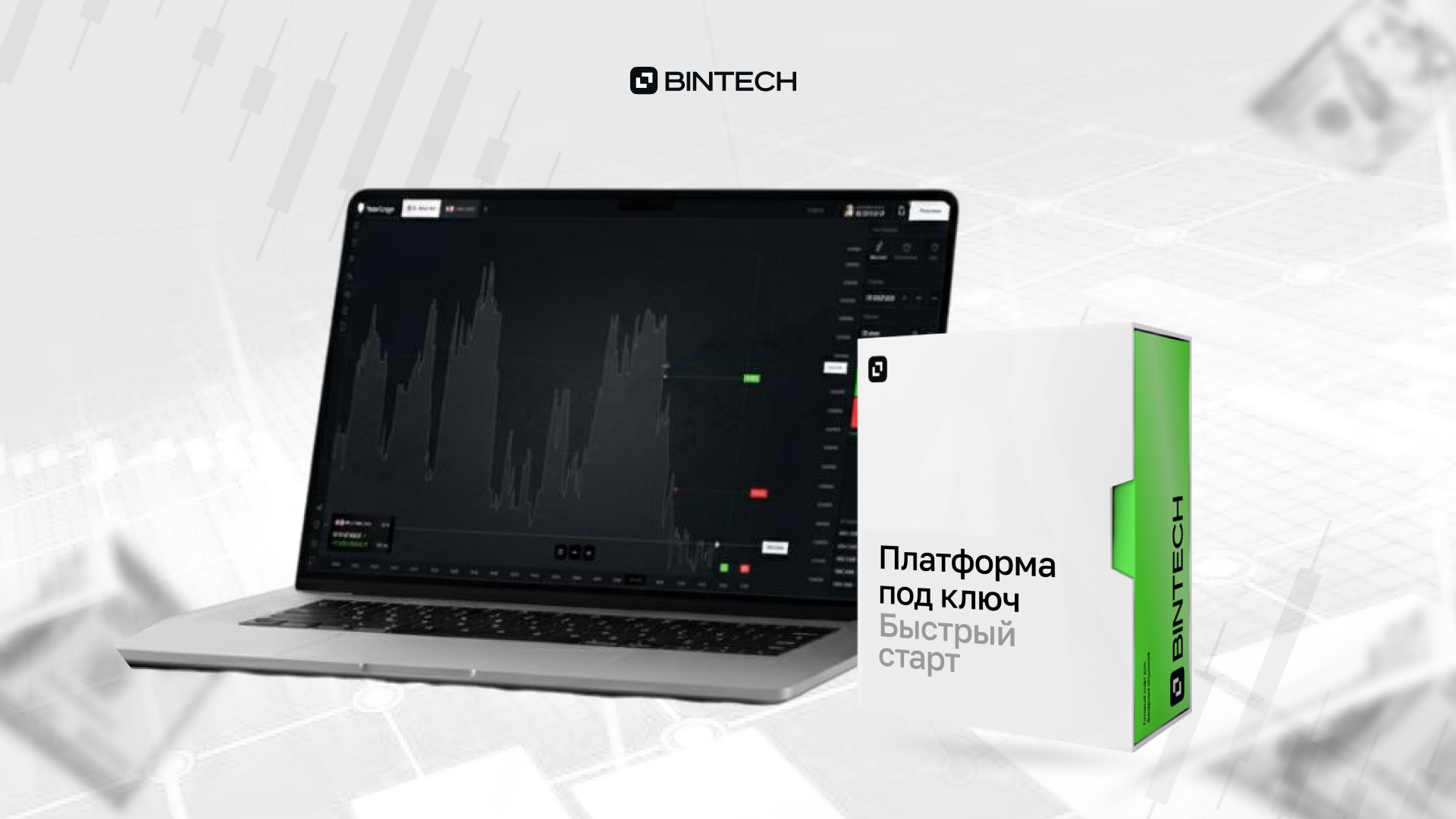
The development of the digital sector has opened numerous opportunities for business, and one of the most promising remains the financial services market. The emergence of ready-made technological solutions has made launching a brokerage company more accessible — it is no longer necessary to build infrastructure from scratch. The market now offers a “turnkey broker platform” — a comprehensive solution that includes everything needed to operate: from a trading terminal and admin panel to payment integrations and a client dashboard.
This article explores what a turnkey broker platform is, the advantages it offers, key points to consider when choosing one, and how its cost is evaluated.
What “Turnkey” Means in Brokerage Solutions
The term “turnkey” is widely known: it refers to a ready-made product, fully prepared for use. In financial technology, it describes a comprehensive ecosystem covering the technical, organizational, and client needs of a broker.
A turnkey broker platform typically includes:
- Trading terminal — an interface for traders with quotes, charts, and trading tools.
- Admin dashboard — management panel for the broker with analytics, commission settings, and transaction monitoring.
- Risk management system — algorithms for liquidity control and protection against unauthorized actions.
- Payment modules — integrations with payment systems for deposits and withdrawals.
- Client dashboard — user interface with personal data, trading history, and deposit management tools.
- Additional services — API for integration with partner platforms, marketing tools, and mobile versions.
Thus, a ready-made broker solution frees entrepreneurs from the need to assemble a development team and build the product from scratch.
Why the Market Favors Ready-Made Solutions
In the past, brokerage companies spent months or even years creating their own software. Today, competition and the pace of change in the financial market leave no time for long development cycles.
Choosing a ready-made trading platform provides several advantages:
- Time savings — launch is possible within weeks.
- Reduced costs — ready-made software is far cheaper than building and testing a team-developed solution.
- Quality assurance — developers have already tested the system, fixed bugs, and ensured compatibility.
- Flexibility — most solutions allow customization of interface, branding, commissions, and functionality.
- Market compliance — platforms are developed according to security, usability, and integration standards.
For these reasons, interest in turnkey solutions is growing not only among startups but also among existing companies looking to upgrade their technological base.
Key Factors When Choosing a Platform
Selecting turnkey brokerage software is a strategic decision. Mistakes at this stage can lead to technical failures or client issues later.
Key considerations:
- Scalability
- Support and updates
- Customization flexibility
- Security and compliance
The platform should handle increasing loads: more users, additional trading instruments, and expansion into new regions.
It’s important to know who will maintain the solution post-launch. A reliable developer provides technical support, regular updates, and vulnerability fixes.
Brokers must be able to adapt the product to their business model: adjust commissions, add languages, and integrate third-party services.
The financial sector is highly regulated. The platform must ensure client data protection, comply with AML/KYC standards, and have transparent architecture.
Cost of Launching a Broker with Ready-Made Software
Pricing depends on factors such as:
- Level of customization
- Number of available trading instruments
- Presence of mobile apps
- Additional modules (analytics, partner dashboards, bonus systems)
On average, a turnkey broker platform costs tens of thousands of dollars — much cheaper than custom development, which can reach hundreds of thousands.
Some companies choose an intermediate approach: purchasing basic software and customizing it over time. This often proves optimal: the business enters the market faster, with adaptation occurring as it grows.
More detailed pricing information for our ready-made broker solution is available in our presentation.
Market Outlook for Broker Platforms
Financial technology solutions evolve alongside changes in user behavior. Increasingly, clients prefer mobile apps, simple interfaces, and fast payments.
This means the future of turnkey broker solutions involves:
- Expanding automated trading tools
- Closer integration with marketing systems
- Emphasis on international scalability
Conclusion
A turnkey broker platform is more than just a technical tool — it is the foundation for building a financial business. It significantly reduces time-to-market, lowers costs, and provides ready-made software that meets industry standards.
When choosing a solution, decisions should be guided not only by price but also by strategic goals. Reliability, scalability, and post-launch support are key criteria for project success.
In a competitive market, broker companies using proven technological solutions gain a significant advantage. This is why the turnkey broker segment continues to grow, and adopting ready-made platforms is increasingly seen as a necessity rather than a choice.
FAQ
What is a turnkey broker platform?
A ready-made solution including a trading terminal, client dashboard, admin module, and payment systems. Allows rapid brokerage business launch.
How does it differ from building from scratch?
A ready-made platform is already tested, secure, scalable, and requires fewer resources for implementation.
What features matter for traders?
User-friendly interface, demo and live accounts, charts, indicators, bonuses, tournaments, and trade history.
What features matter for administrators?
Payment management, analytics, trade control, security, content management, flexible permissions, and reporting.
Why choose a turnkey platform to launch a broker?
Fast launch, proven infrastructure, reduced costs, customization flexibility, scalability, and high security.